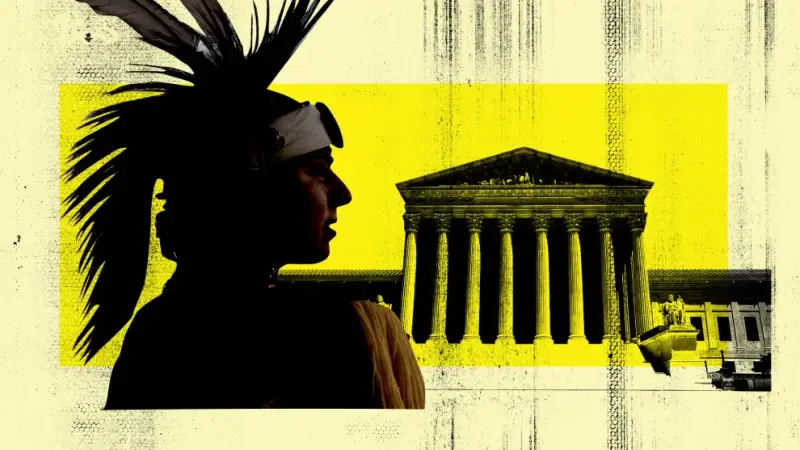
Previous posts in this blog explored the challenges tribal communities face when accessing behavioral health services. While those discussions highlighted disparities and regulatory barriers, improving tribal behavioral health systems requires understanding how healthcare policies are created, implemented, and changed. Behavioral health programs serving tribal communities are shaped by statutory laws, regulatory agencies, and multiple levels of government authority. Because these systems operate across federal, state, and tribal jurisdictions, policy advocates must navigate a complex policy landscape to accomplish meaningful reform.

Statutory Mechanisms Shaping Tribal Health Systems
Statutory mechanisms provide the legal foundation for healthcare programs that support tribal communities. One of the most significant statutory frameworks is the Indian Health Care Improvement Act (IHCIA), which authorizes the federal government to provide healthcare services to American Indian and Alaska Native populations through the Indian Health Service (Indian Health Service, 2022). The IHCIA includes provisions supporting behavioral health services, substance use treatment programs, and community-based health initiatives. This legislation reflects the broader federal trust responsibility, a legal and political obligation requiring the United States government to provide healthcare and other services to tribal nations.
Another key statutory mechanism influencing tribal healthcare delivery is the Indian Self Determination and Education Assistance Act. This legislation allows tribes to operate their own healthcare programs through federal contracts and compacts rather than relying solely on federal agencies to deliver services. By supporting tribal self-governance in healthcare, the law enables tribes to design programs that are more responsive to their communities’ cultural and health needs.
In addition to tribal-specific statutes, broader federal healthcare laws also shape behavioral health access in tribal communities. Medicaid, established through the Social Security Act, is one of the largest sources of healthcare funding in the United States and plays an important role in financing behavioral health services. Many tribal health systems rely on Medicaid reimbursement to support treatment programs and expand services. Because Medicaid is jointly administered by federal and state governments, federal statutes interact with state-level implementation policies that influence provider eligibility, reimbursement structures, and service coverage (Centers for Medicare & Medicaid Services, 2023). These policies can significantly affect whether tribal behavioral health programs are financially sustainable.
Regulatory Mechanisms and Policy Implementation
While statutes establish the legal authority for healthcare programs, regulatory mechanisms determine how those laws are implemented in practice. Federal agencies such as the Centers for Medicare and Medicaid Services and the Indian Health Service develop regulations that guide program administration. These regulations define how healthcare services are reimbursed, how providers become certified to deliver care, and how healthcare programs must operate to receive federal funding.
State agencies also play an important regulatory role. In North Dakota, the Department of Health and Human Services administers Medicaid policies and coordinates with tribal health systems to implement healthcare programs. Because tribal healthcare providers interact with both federal and state regulatory systems, they must often comply with multiple layers of administrative requirements. When these regulatory frameworks are not well aligned, tribal treatment programs may face administrative challenges that limit their ability to expand behavioral health services.
Legislative and Regulatory Pathways for Policy Change
For policy advocates seeking to improve tribal behavioral health systems, understanding the policy process is essential. Legislative reform begins when policymakers introduce proposed legislation in Congress or in state legislatures. Lawmakers review proposed bills through committee hearings, debate their potential impacts, and vote on whether they should become law. However, many healthcare policy changes occur through regulatory processes rather than through entirely new legislation.
Federal and state agencies have authority to update program rules through administrative rulemaking. During this process, agencies publish proposed regulations and invite public comments from stakeholders before final policies are adopted. Tribal governments, healthcare providers, and advocacy organizations can participate in these comment periods by sharing data, community experiences, and policy recommendations that highlight how regulations affect access to care.
Policy Advocacy and Tribal Health Organizations
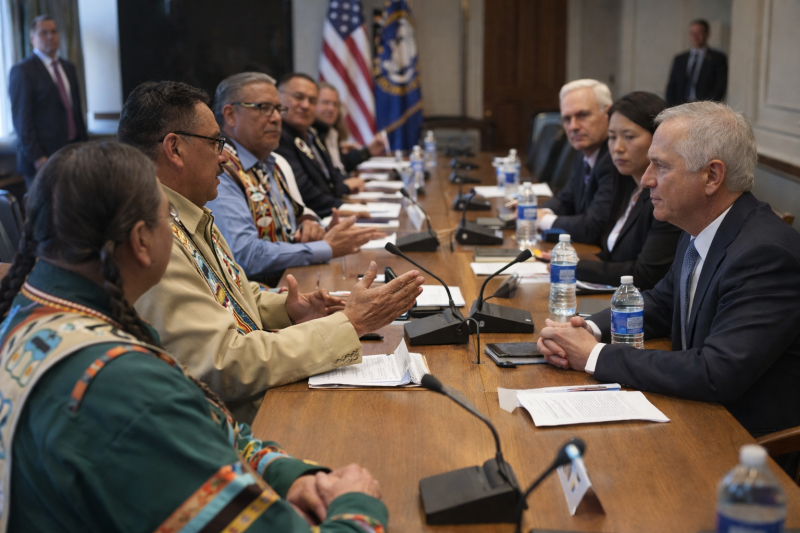
Tribal advocacy organizations also play a critical role in shaping healthcare policy. Groups such as the National Indian Health Board work with federal policymakers and agencies to develop legislative agendas and advocate for policy reforms that strengthen tribal health systems. These organizations provide education to lawmakers, propose policy solutions, and amplify tribal perspectives in federal health policy discussions (National Indian Health Board, 2024).
Improving behavioral health services in tribal communities ultimately requires more than recognizing health disparities. Meaningful reform depends on understanding how statutory authority, regulatory oversight, and multi-level governance structures influence healthcare delivery. By engaging with legislative processes, regulatory rulemaking, and tribal advocacy networks, policy advocates can work toward reforms that strengthen tribal health systems and improve access to behavioral health care.
References
Centers for Medicare & Medicaid Services. (2023). American Indian and Alaska Native health. https://www.medicaid.gov/medicaid/indian-health-medicaid/index.html
Indian Health Service. (2022). Indian Health Care Improvement Act. https://www.ihs.gov/ihcia/
National Indian Health Board. (2024). 2024 legislative and policy agenda for Indian health.
https://www.nihb.org/wp-content/uploads/2025/01/2024NIHBLegislativeandPolicyAgenda.pdf
Add comment
Comments
This blog post provides a thoughtful explanation of the complex policy landscape that shapes behavioral health services in tribal communities. One of the most important points highlighted is the role of federal statutes such as the Indian Health Care Improvement Act (IHCIA). The IHCIA serves as a cornerstone of tribal healthcare policy because it formalizes the federal government’s trust responsibility to provide healthcare services to American Indian and Alaska Native populations. This framework is particularly significant for behavioral health services, as it authorizes funding for mental health programs, substance use treatment, and community-based prevention initiatives that are often critically needed in tribal communities (Indian Health Service, 2022).
The discussion of the Indian Self-Determination and Education Assistance Act is also important because it emphasizes the value of tribal sovereignty in healthcare delivery. Allowing tribes to administer their own health programs can improve cultural responsiveness and ensure services are better aligned with community needs. Research shows that tribal self-governance in healthcare systems can improve access to services and increase community engagement in health initiatives, which are both essential components of effective behavioral health programs (Warne & Frizzell, 2014).
I appreciate your recognition of the layered regulatory environment that tribal healthcare systems must navigate. Because tribal health programs interact with federal agencies, Medicaid policies, and state regulatory systems, administrative complexity can create barriers to expanding services. Understanding how legislative and regulatory processes function—including opportunities for public comment during rule making—gives healthcare professionals and advocates meaningful opportunities to influence policy decisions.
Overall, this post highlights that improving behavioral health care in tribal communities requires collaboration between tribal leaders, federal agencies, and policymakers. A clear understanding of statutory authority, regulatory processes, and tribal advocacy organizations is essential for developing policies that improve access to culturally appropriate behavioral health services.
References
Indian Health Service. (2022). Indian Health Care Improvement Act. https://www.ihs.gov/ihcia/
Warne, D., & Frizzell, L. B. (2014). American Indian health policy: Historical trends and contemporary issues. American Journal of Public Health, 104(S3), S263–S267. https://doi.org/10.2105/AJPH.2013.301682